
Cellophane Noodles with Shrimp recipe Eat Smarter USA

First method: One method is to presoak bean-threads in warm water for 20 to 30 minutes. Then, cut here and there with kitchen shears to into 3- to 4-inch lengths, immerse in a pot of boiling water, simmer for 2 to 3 minutes, and drain. Second method: Another way is to simply immerse the bundle of noodles in cold water in a saucepan, bring to a.
What Are Glass Noodles?
:max_bytes(150000):strip_icc()/cellophane-noodle-587229038-064ff6b003414c85b5e93f136343b658.jpg)
Cellophane noodles, or fensi (traditional Chinese: 粉絲; simplified Chinese: 粉丝; pinyin: fěnsī; lit. 'flour thread'), sometimes called glass noodles, are a type of transparent noodle made from starch (such as mung bean starch, potato starch, sweet potato starch, tapioca, or canna starch) and water. A stabilizer such as chitosan (or alum, illegal in some jurisdictions) may also be used.
Cellophane Noodles Local Noodles From China
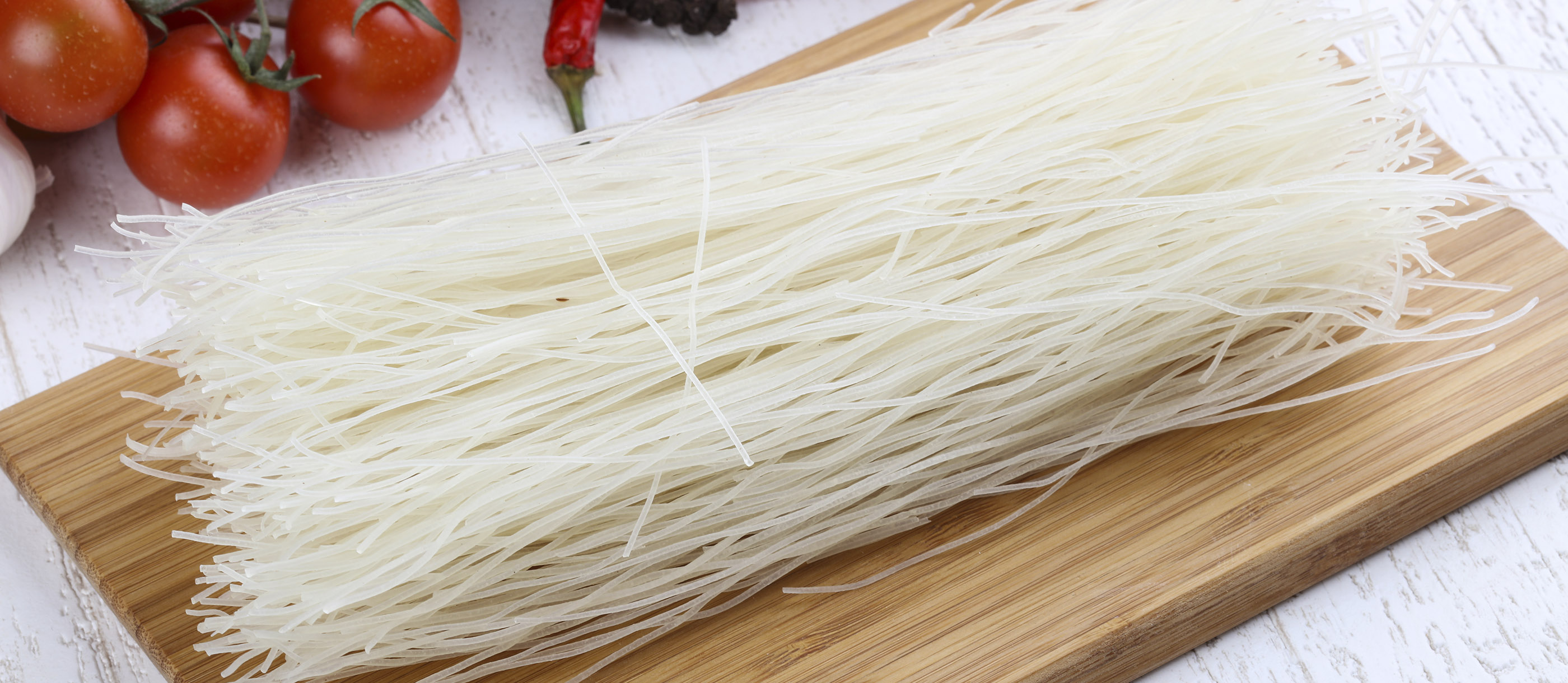
Sometimes called cellophane noodles, these versatile gluten-free strands cook in just a few minutes.. which benefit from the distinct chewiness of gluten, glass noodles are gluten-free and have.
Japchae (Korean Cellophane Noodle Stirfry) Recipe by cookpad.japan Cookpad
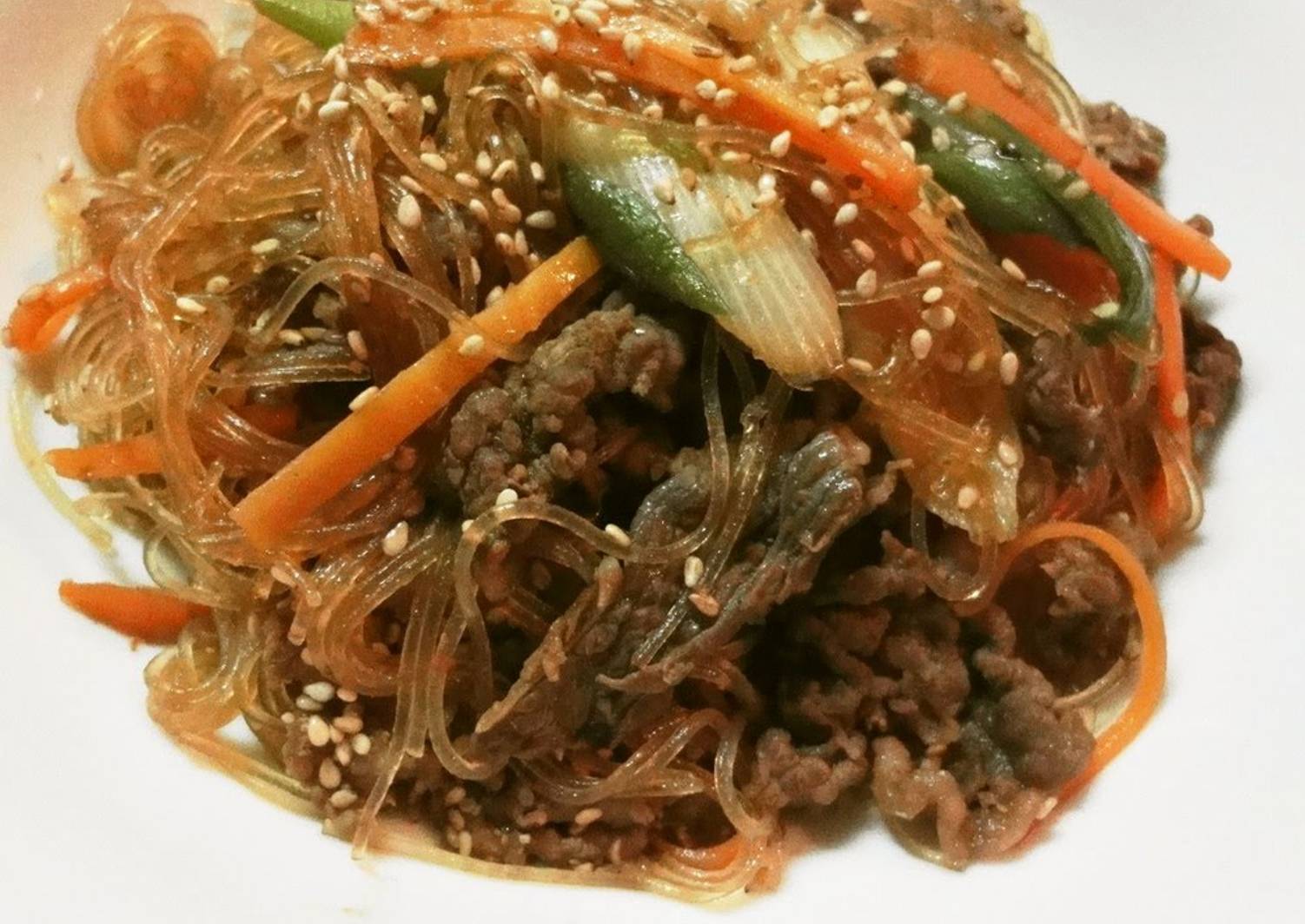
Drain the noodles. Using kitchen scissors, cut across the bunch of noodles about 3 times to shorten the strands. In a bowl, combine the ground pork, half of the green onions, 1 Tbs. of the tamari, and 2 tsp. of the sesame oil and mix gently to blend. In a large nonstick fry pan over medium-high heat, warm the vegetable oil.
Cellophane noodles a photo on Flickriver

Cellophane noodles are beautiful in a dish, but what are they made out of? Find out if they are gluten-free.
Meatless Braised Cellophane Noodle

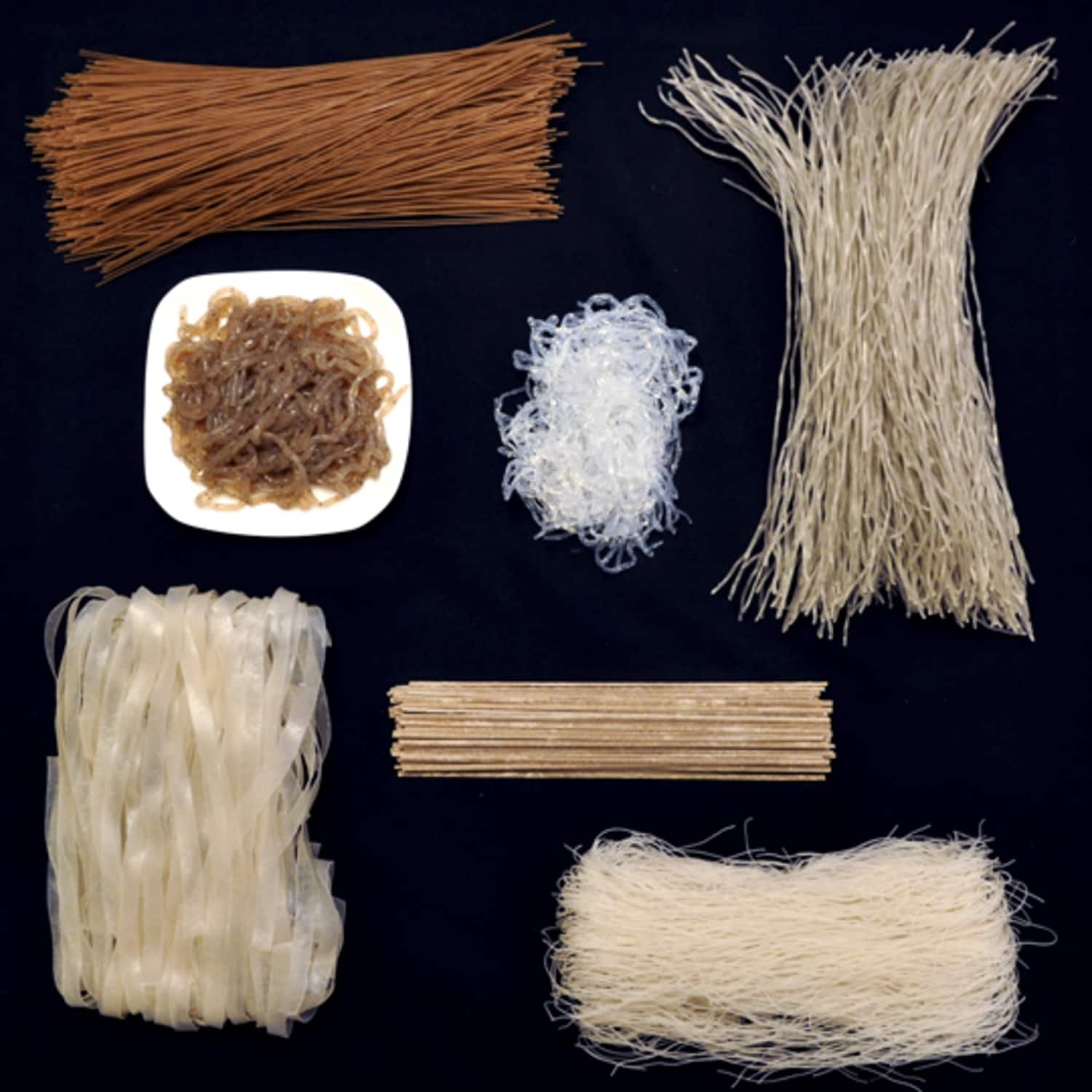
Note: Some of these noodles may include wheat flour or be processed in shared facilities, so check the ingredients if you are on a strictly gluten-free diet. (Image credit: Apartment Therapy) Pictured: 1 buckwheat vermicelli (naeng myun) 2 shirataki. 3 kelp noodles. 4 sweet potato vermicelli (dang myun) 5 rice sticks. 6 soba.
Cellophane noodles 2 oz (Roland) — Christina's Spice & Specialty Foods

3. Soba (Buckwheat Noodles) そば. Probably the most recognizable Japanese noodles, soba or buckwheat noodle is a type of thin noodles made from buckwheat flour. Sometimes it is made with a combination of buckwheat and wheat flours. For gluten-free option, you want to check the ingredient list and make sure it's 100% buckwheat.
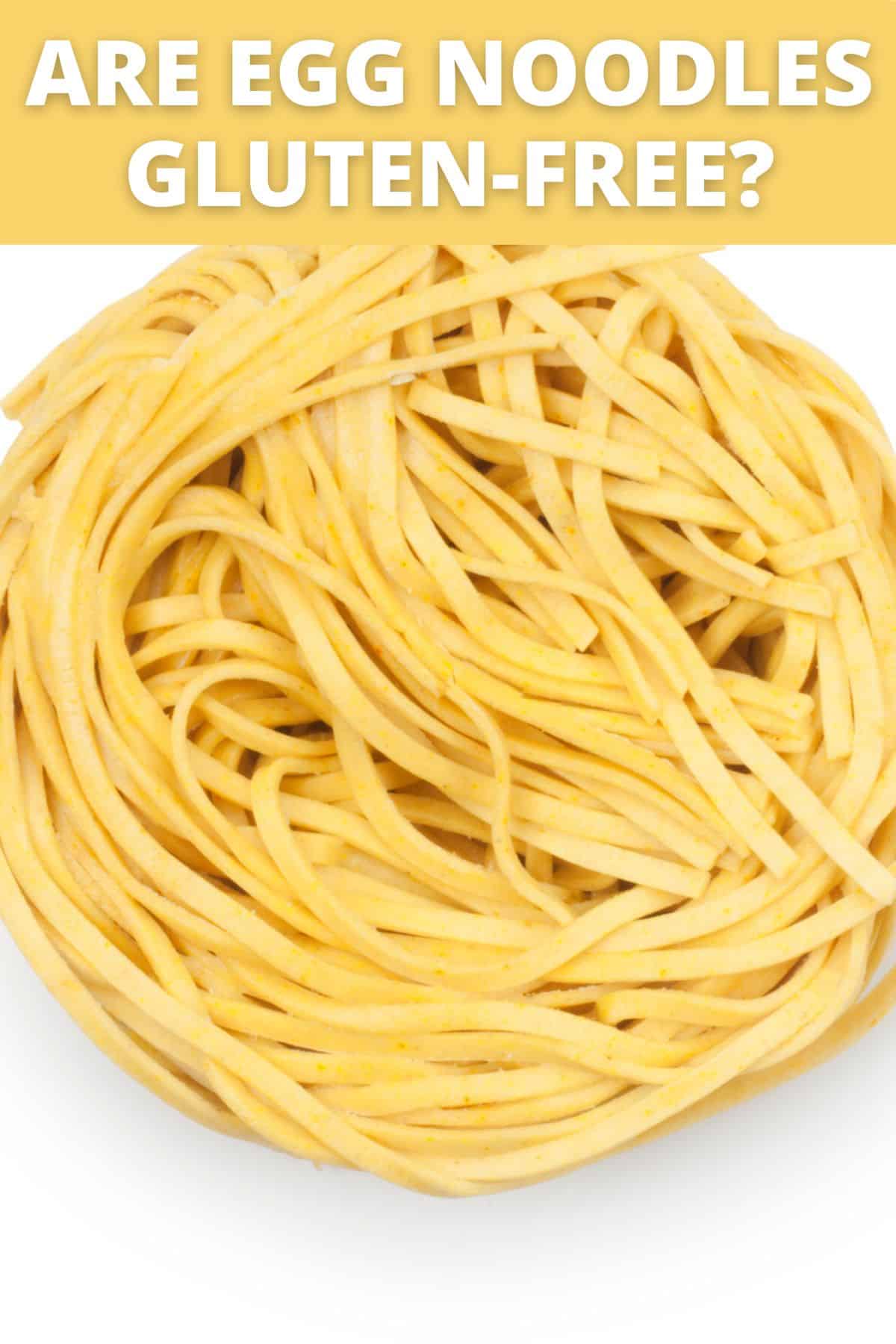
Are Egg Noodles GlutenFree? (FIND OUT HERE!) Meaningful Eats
Use the quick-cooking Japanese noodles in spring rolls, noodle salads, stir-fries, or soups. Harusame (literally "spring rain"), Japanese glass noodles, or cellophane noodles, are thin, transparent, gluten-free noodles made of potato or sweet potato starch. The name originates from the thin, transparent appearance reminiscent of spring showers.
cellophanenoodlemungbeancakeguidetoeatingglutenfreeinVietnam3 Scooter Saigon Tours

Glass noodles actually do not need to be cooked in boiling water. The easiest way to prepare them is to pour boiling water over them in a heatproof bowl and let them sit for 10 to 15 minutes until softened before draining. (Check the label for instructions.) If you do choose to boil them, they will only need a quick 3 to 5 minutes.
11 GlutenFree Asian Noodles Kitchn
Heat 1 tablespoon oil in a large (14-inch) frying pan or wok over moderately high heat. Add ginger and cook until fragrant, about 20 seconds. Add meat and cook, stirring frequently until browned, 4 to 5 minutes. Drain meat in a colander and add to noodles. .
Vietnamese Noodle Bowls with Sauteed Tofu and Fried Shallots Asian Recipes, Healthy Recipes

Rice Noodles. There are many different shapes of rice noodles, but all of these are gluten-free and great as a gluten-free alternative for ramen in many recipes. Rice vermicelli, pad thai, rice sticks, or chow fun are great options when it comes to mimicking a similar size and shape of ramen for soups and stir-fries.
Overhead view of several rolls of dried mung bean vermicelli noodles, or cellophane noodles
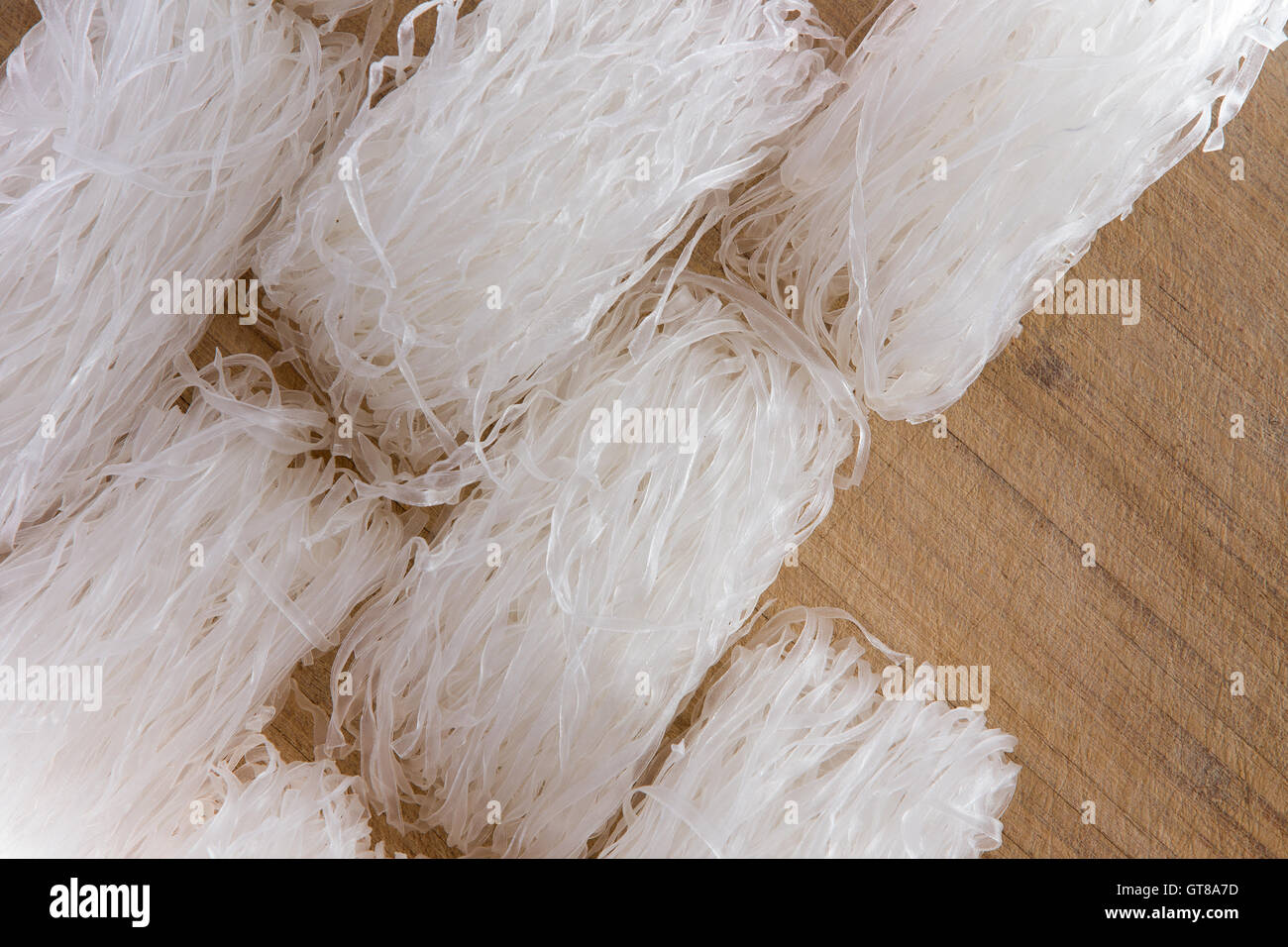
Gluten-Free. Cellophane noodles are gluten-free and commonly crafted from sweet potato or mung bean starch.It's essential to review labels, as some manufacturers may produce items with gluten. Unlike regular pasta or wheat noodles, glass noodles omit wheat flour, the primary gluten component.The main focus for those on a gluten-free diet is recognizing ingredients and food items devoid of gluten.
Gluten Free Udon Noodle 8D House
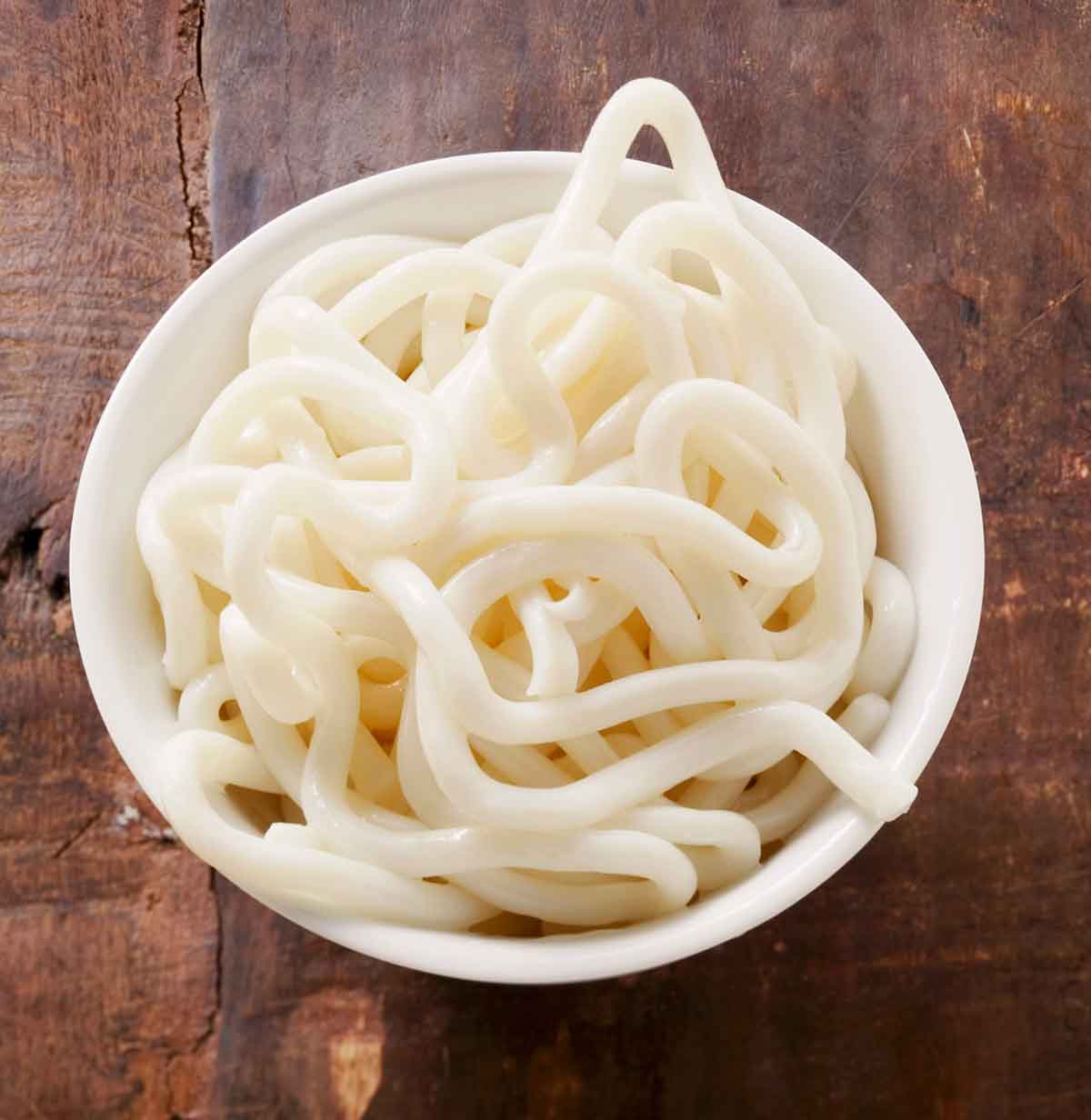
Glass noodles, or cellophane noodles, are a type of noodle made from vegetable starch (usually mung bean) and water. They are very thin and translucent when cooked, hence their name. Glass noodles are often used in Asian dishes, such as soups, stir-fries, and salads. In this article, you can learn all about glass noodles, how they're made.
Pin on Healthy eating Celiac and glutenfree

Since glass noodles are made with mung beans, potatoes, sweet potatoes, or tapioca starch, these are considered to be an option for a gluten-free diet. Though it's generally accepted that glass noodles are gluten-free, some manufacturers may add other ingredients that contain gluten. It's always a good idea to check ingredients lists before.
Cellophane Noodles with Squid and Coconut Sauce recipe Eat Smarter USA

Cellophane noodles are another extensive category of starch-based gluten-free Asian noodles. And they make them with vegetable starches instead of rice or wheat flour. Other names for cellophane noodles are glass noodles, bean threads, bean vermicelli, crystal noodles or fensi in Mandarin.
StirFried Thai Vermicelli Noodles Glass Noodles Cellophane Noodles Gluten Free Noodles

Add the water or broth. Stir fry for 3-4 minutes until noodles are translucent and soft. Be sure to keep the noodles evenly spread in the wok as you stir fry. Do not allow the noodles to clump. Sprinkle with freshly ground black pepper. Enjoy the Cellophane Noodle Veggie Stir Fry hot or cold. Yields: 4 servings.
.